
AI receptionist Mesa businesses need has one job: answer the phone before the caller hits voicemail and calls the next result on Google. Mesa is the Valley’s largest suburb, the backbone of the Phoenix metro’s trades and healthcare economy, and its contractors, clinics, and shops miss calls at the same rate as everywhere else in Maricopa County.
Key Takeaways:
- Mesa is Arizona’s third-largest city with over 500,000 residents, the call volume here rivals Phoenix proper, but most local service businesses still rely on voicemail after 5pm.
- 85% of missed calls never call back, for a Mesa plumber or East Valley chiro, every unanswered ring is a job that goes to the next result on Google.
- An AI receptionist answers every call 24/7, qualifies the caller, and books the appointment, plans start at $397/month, a fraction of the $30–42K/yr a Mesa receptionist costs.
The broader answering service phoenix category covers the whole metro, and the ai for customer service pillar explains the full system. This article is about Mesa specifically: its business mix, its neighborhoods, and why the missed-call problem hits harder here than most people expect.
Mesa’s Business Mix, and Why the Phone Problem Hits Hard Here
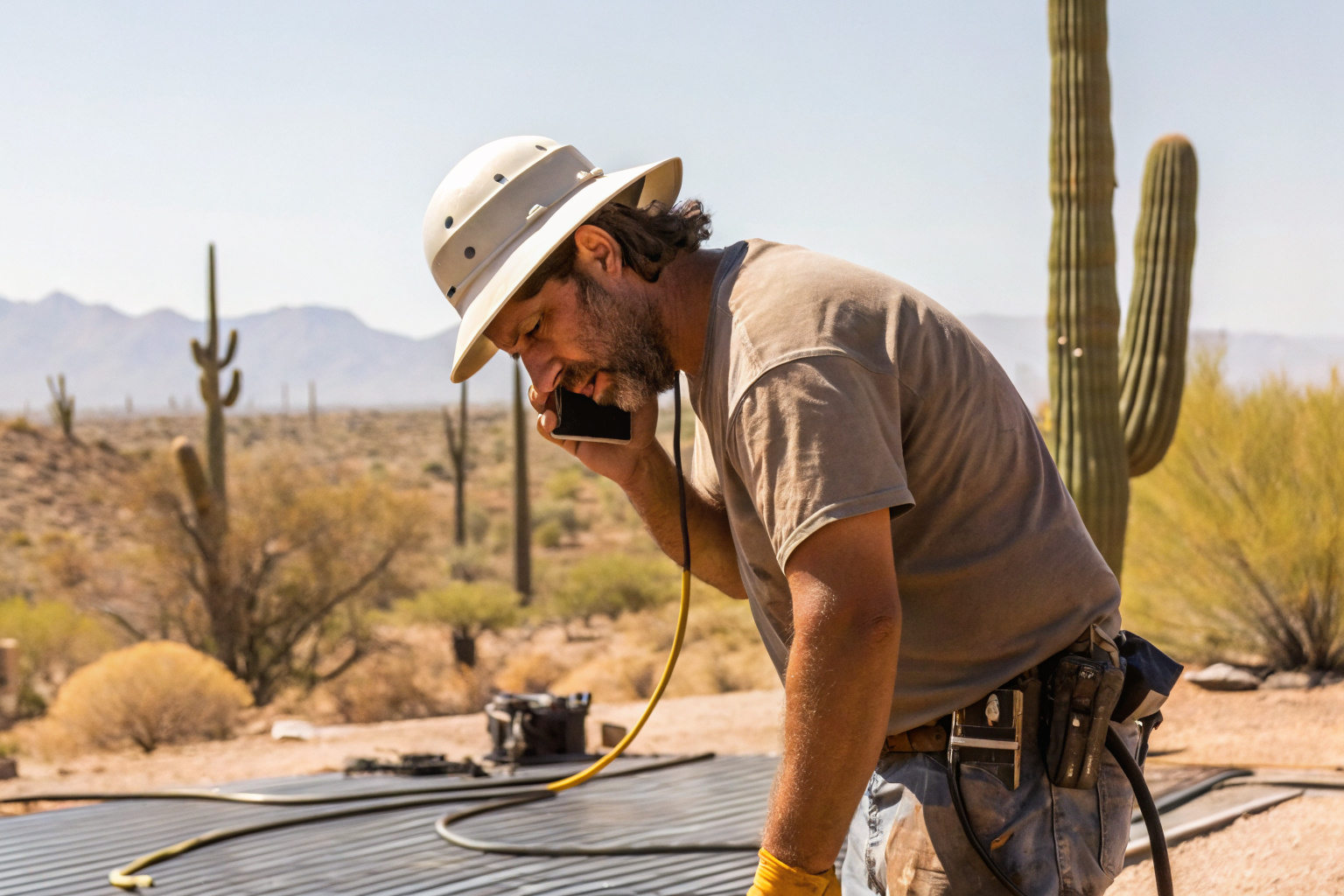
Mesa, AZ is the Valley’s densest concentration of trades and healthcare businesses outside Phoenix proper. This means a lost call here is not a minor inconvenience, it is a lost HVAC job during a 115-degree June afternoon or a dental patient who booked with a competitor before the voicemail even finished recording.
Mesa spans roughly 140 square miles, larger than many US cities. Field-service routes are long. An owner-operator running HVAC calls across the East Valley is in transit or on a job site for most of the day. The phone rings while they are under a unit on a rooftop in Gilbert or pulling permits at the Maricopa County building department. That is the cause of the missed-call problem here, not negligence, but physics.
The commercial character of Mesa compounds this. The city carries heavy concentrations of HVAC, plumbing, pool service, electrical, and auto trades alongside a fast-growing healthcare corridor anchored by Banner Health and Dignity Health campuses along Val Vista and Baseline Road. Both business types, trades and healthcare, depend on the phone as the primary revenue channel. A generic national AI answering service does not know the difference between a Dobson Ranch residential job and a commercial call coming off the 60 Freeway corridor. A Mesa-based team does.
Which Mesa Neighborhoods and Corridors Does the AI Receptionist Cover?
An AI answering service covers every Mesa neighborhood and ZIP code without geographic limits. The phone gets answered regardless of where the owner is working. Mesa has over 50 distinct neighborhoods, the AI covers all of them because it answers the business phone, not a geographic zone.
Here are the key corridors where local service businesses concentrate:
- Fiesta District (Alma School & US-60): Dense retail and medical offices. High appointment-booking volume for dental, chiro, and med-spa callers who expect an immediate answer during and after business hours.
- Dobson Ranch: Established residential neighborhood with strong home-services demand, plumbing, HVAC, pool service, and landscaping calls that spike on weekday mornings before owners leave the house.
- Red Mountain Corridor (Power Road to Ellsworth): Trades, light industrial, and service businesses. Callers here tend to be first-contact, they found you on Google and they are calling one or two names before deciding.
- Banner Health / Mercy Gilbert Spine (Val Vista & Baseline): The healthcare corridor. Dental practices, physical therapy clinics, and specialty offices sit in this zone. Patients call at 7am before the front desk opens and at 8pm after it closes.
- Downtown Mesa Arts District: Salons, wellness studios, and legal offices. The legal intake angle connects to the same after-hours problem that ai receptionist for law firms articles cover, a client who calls at 6pm needs an answer, not a voicemail.
- East Mesa Growth Edge (Eastmark toward Queen Creek): New construction neighborhoods with high first-time-caller volume. These callers have no loyalty to any provider yet, whoever picks up first gets the job.
What Does an AI Answering Service Actually Do for a Mesa Trade or Clinic?
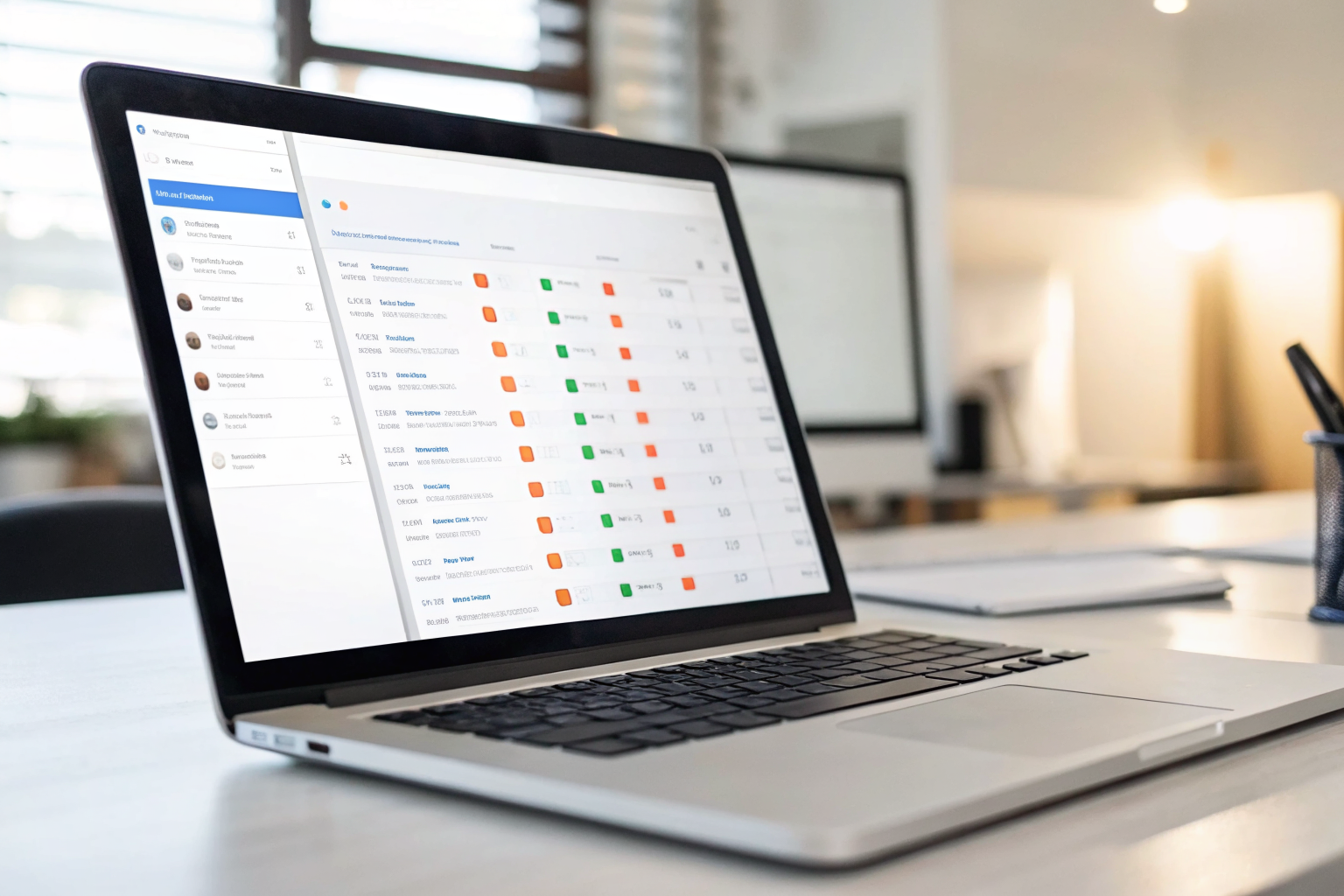
An AI receptionist answers, qualifies, and books Mesa callers 24 hours a day. The workflow is the same whether the caller is an East Valley homeowner with a 7pm HVAC emergency or a Banner Health corridor dental patient calling before the office opens.
67% of customers hang up if they don’t receive immediate assistance. In Mesa’s competitive trades market, that caller calls the next HVAC company on Google within 90 seconds. The table below shows how the AI handles the scenarios that cost Mesa businesses the most revenue.
| Caller Scenario | What the AI Does |
|---|---|
| 7pm HVAC emergency during monsoon season | Answers on the first ring, collects address and urgency details, books a same-day or next-morning slot, sends confirmation by text |
| Monday morning dental inquiry (before office opens) | Greets the caller with the practice’s name and script, captures reason for visit, books the appointment directly into the calendar |
| Saturday pool service call | Qualifies the issue (equipment failure vs. chemical problem), books the service visit, flags urgent repairs for owner callback if needed |
| After-hours legal intake | Collects caller name, contact info, and matter type, routes urgent escalations per the firm’s own rules, holds standard inquiries for the next business morning |
| Weekday chiro or physical therapy new patient | Captures insurance information, books an initial appointment, sends a text confirmation with the address and intake instructions |
This is not a message-taking service. The caller gets a resolution, a booked time, a confirmed callback, or a routed escalation, before they hang up. For a business text message service layer, the same AI sends a follow-up SMS after the call closes the loop on any caller who disconnects before booking.
Response-Time Expectations in Mesa: Why Speed-to-Answer Decides Who Gets the Job
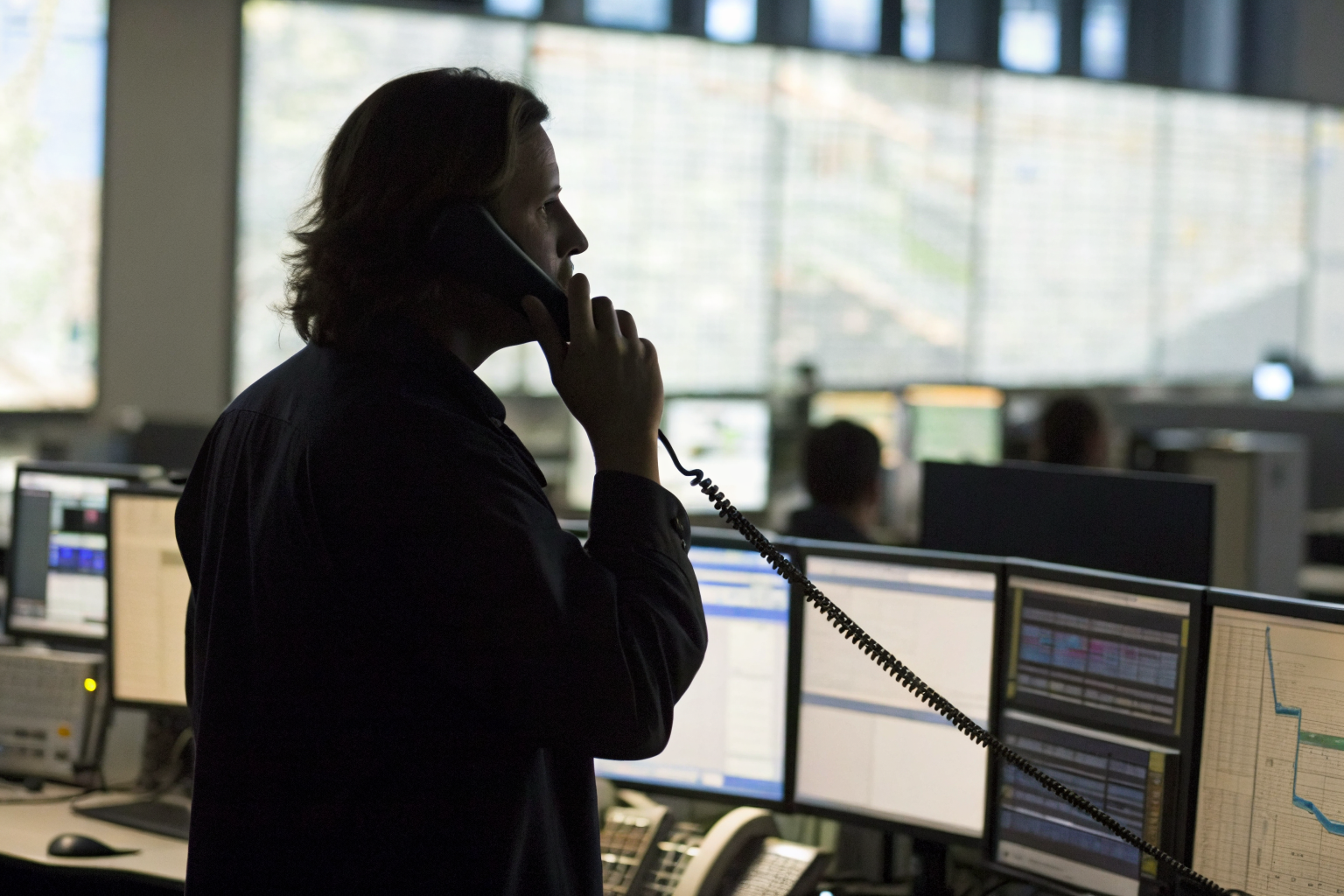
Speed-to-answer determines which Mesa contractor or clinic wins the booking. The window between a call placed and a job lost is under two minutes in practice. Mesa buyers in trades pull up Google Maps, call the first result, and if they hit voicemail they scroll to the second name. That second name picks up. The job is gone.
92% of customer interactions happen over the phone. In Mesa’s trades-heavy economy, the phone is the primary channel for emergency and same-day service requests, not a form, not a chat widget, not an email. The phone rings or the job does not get booked.
Two seasonal patterns make the response-time problem worse here than in most Phoenix metro suburbs. Monsoon season runs June through September. HVAC calls and water-damage calls spike at the same time, often after 6pm when crews are done for the day and owners are home. A single storm event can produce a wave of calls inside a one-hour window. The AI handles every one of them at the same quality regardless of volume.
The summer AC emergency window is a separate problem. Midday and after-hours hits are common when a unit fails during a weekday afternoon. The homeowner cannot wait until morning. They call whoever answers. The thing that catches people off guard here: the highest-revenue AC calls often land between 9pm and midnight, long after any receptionist has gone home.
East Mesa’s new construction corridors add a third layer. First-time callers in Eastmark and the Queen Creek border neighborhoods have no prior relationship with any service provider. Whoever answers first establishes the relationship. An ai receptionist scottsdale serving the north-corridor med-spas faces a different version of this same dynamic, the geography changes, the call-response math does not.
How Do You Get Started With AI Answering in Mesa?

Mesa business owners start an AI answering service in under one business day. Plans start at $397/month, versus $30,000–$42,000 per year for a full-time Mesa receptionist at current Maricopa County wage rates. Before you look at live answering service pricing models or compare national SaaS options, do this first:
- Call the demo line at (888) 789-8030. Hear exactly what your callers will hear. This is the same AI we put on client phones, not a polished demo recording, the actual product working live.
- Pick a plan. Plans start at $397/month with a 14-day trial. Current pricing is at sledgehammerintelligence.com/pricing.
- Book a setup call with the Mesa team. Sledgehammer Intelligence is based at 4850 E Baseline Rd, Suite 103, Mesa, AZ 85206. The setup call is where the team configures the script to your business: your services, your booking calendar, your escalation rules.
- Your phone gets answered 24/7 from day one. Office hours are Mon–Fri 8am–4pm Arizona time for the human team. The AI answers around the clock from the moment setup is complete.
If you’re considering a similar setup for neighboring East Valley coverage, ai receptionist chandler is worth reviewing before the setup call, service area overlaps are common for businesses that run routes across both cities.
Let’s do this, sledgehammerintelligence.com/pricing
Frequently Asked Questions
Is there a virtual receptionist service that covers Mesa, AZ specifically?
Yes. Sledgehammer Intelligence is based in Mesa at 4850 E Baseline Rd, Suite 103, and serves Mesa businesses across every neighborhood and ZIP code. The AI receptionist answers calls 24/7 with no geographic zone limits and no hand-off to a national call center. Call (888) 789-8030 to hear it working before you spend anything.
What’s the difference between an answering service and an AI receptionist in Mesa?
A traditional answering service uses human operators, usually off-site and often national, who take a message and pass it along at human-labor pricing. An AI receptionist answers every call immediately, qualifies the caller, and books the appointment directly into your calendar without a message chain in between. For Mesa trades and clinics where speed-to-answer decides who gets the job, that immediate response is the functional difference between winning and losing the booking.
Does an AI answering service work for Mesa’s monsoon and summer surge seasons?
Yes, and the surge is exactly when it earns its keep. Mesa HVAC, plumbing, and restoration businesses see simultaneous call spikes during monsoon season (June through September) and the summer AC emergency window, often after business hours when staff are unavailable. The AI handles every call at the same quality regardless of volume, so a 10pm emergency during a monsoon event gets answered the same as a Monday morning inquiry.