
As of mid-2025, a marketing automation agency does more than schedule emails, it connects every inbound call, text, and chat to a follow-up sequence that fires without anyone touching a keyboard. Most Phoenix small businesses have a CRM they barely use, a follow-up sequence they never finished, and a pile of leads that went cold because nobody touched them fast enough.
Key Takeaways:
- Marketing automation systems connect your AI receptionist data directly to follow-up sequences, so a booked call at 9pm triggers a confirmation text, a reminder, and a review request without anyone touching a keyboard.
- CRM-driven campaigns built on real call and chat data outperform generic email blasts because every trigger is behavioral, the contact did something, and the automation responds to that action.
- Sledgehammer Intelligence plans start at $397/month and include the AI employee layer that feeds the automation, the receptionist, the SMS, and the webchat all generate the data the sequences run on.
What Is a Marketing Automation System, and What Does It Actually Do for a Small Business?
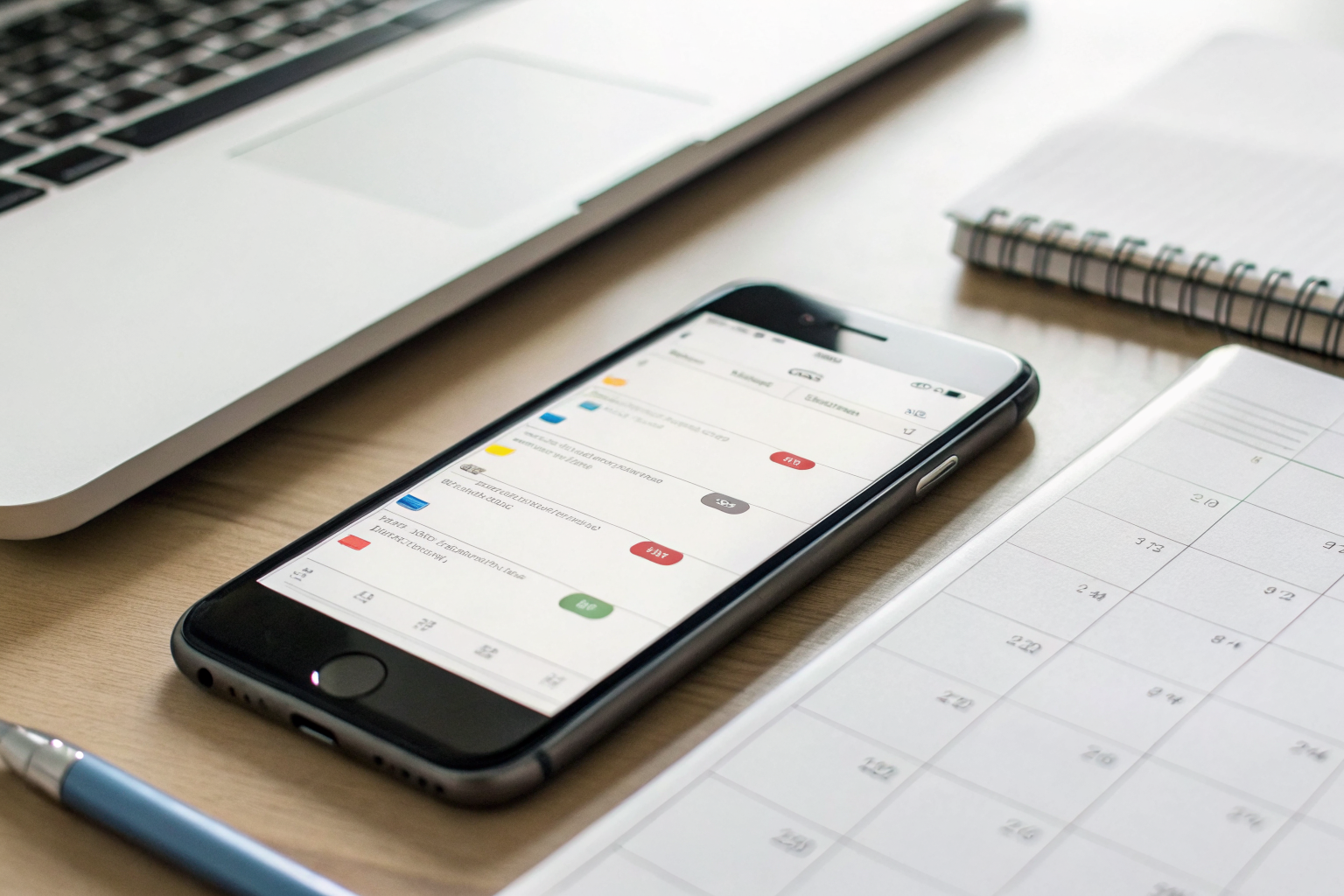
A marketing automation system is software that sends messages, reminders, and follow-ups based on what a contact actually does, not on a schedule you set and forget. This means when a caller books an appointment at 9pm, the system fires a confirmation text, a 24-hour reminder, and a post-job review request without you doing anything. A common misconception: people confuse CRMs with automation. A CRM stores your contacts. Automation acts on them.
Marketing automation systems connect customer communication channels to scheduled follow-up sequences without manual work. That connection is the whole point. The AI receptionist answers the call, logs the contact, and creates the trigger event. The automation picks it up from there.
For Mike on a ladder or Dana with a patient in the chair, this matters for one reason: the follow-up that should happen almost never does. Not because the owner doesn’t care, but because they’re working. The job is the priority. The automation handles what falls through the cracks.
Sledgehammer’s version of this is built on top of the AI employee layer. The AI receptionist and webchat generate the trigger events, booked, not booked, missed call, no-show. Those events fire the sequences. No trigger events means no sequences worth running. This is why the AI for customer service layer and the automation layer are the same product, not two separate purchases bolted together.
The data makes the case plainly: 85% of missed calls never call back. A follow-up sequence triggered by a missed call event is the difference between recovering that lead and losing it for good. Without automation, that trigger never fires.
The Four Automation Sequences Every Phoenix Service Business Should Be Running
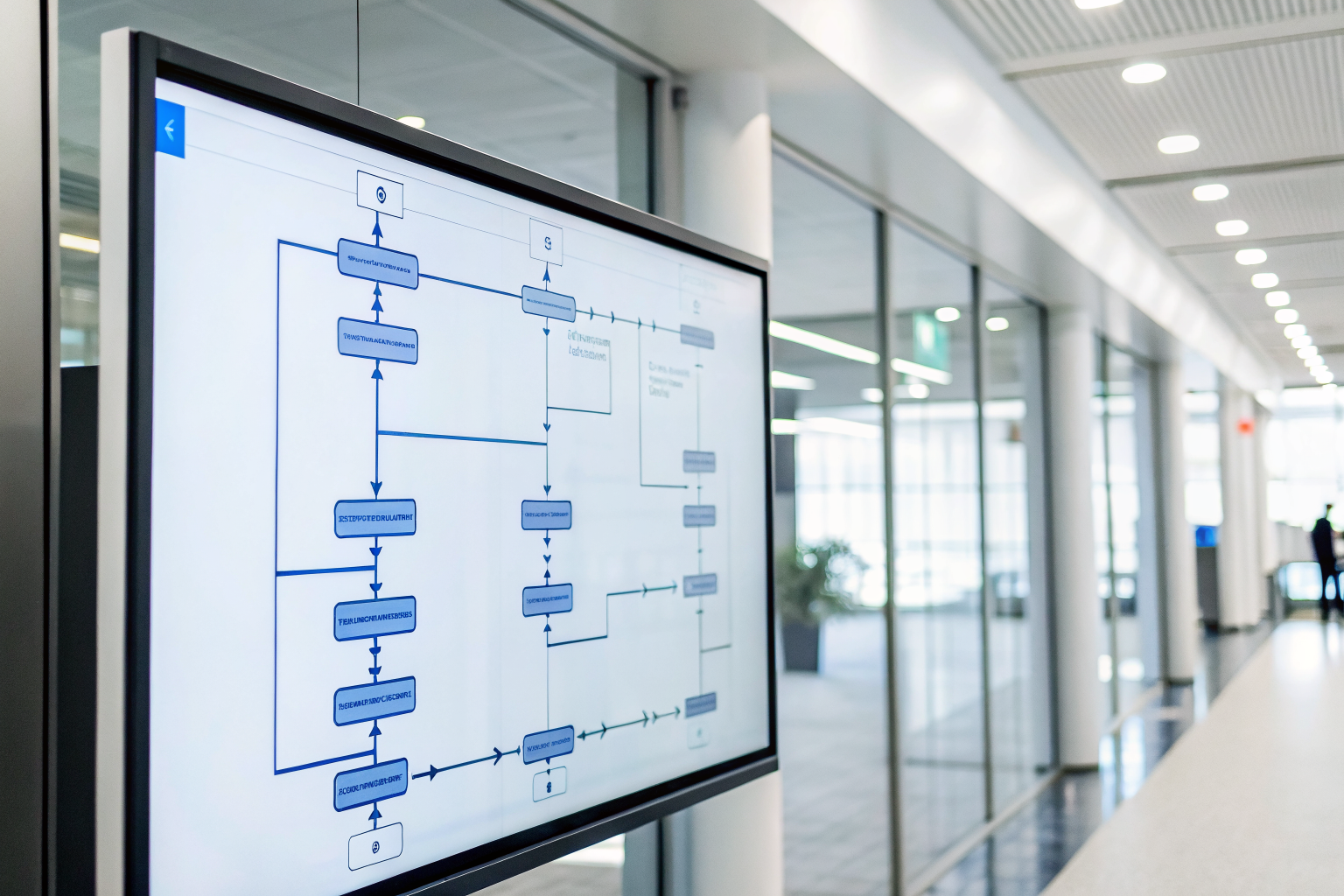
Follow-up sequence automation recovers leads that the AI receptionist captured but did not immediately convert. These four sequences cover the majority of the revenue a Phoenix service business leaves on the table every month. Each one has a specific trigger, a channel, and a plain outcome.
Missed-call recovery. The AI receptionist logs the missed call, and the automation fires an SMS within 90 seconds. A second follow-up goes at the 24-hour mark. This sequence targets the gap directly, 85% of missed callers won’t dial again, but a text within 90 seconds catches a large portion of them before they book the next guy on Google.
Appointment confirmation and reminder. A booking event triggers a confirmation text within minutes, followed by a 24-hour reminder and a 1-hour reminder. No-shows drop because the appointment stays front-of-mind. The trigger is the booking, not a calendar event someone creates manually.
Post-job review request. When the job closes, the automation fires a review request SMS two hours after completion. The timing matters: the customer is satisfied, the experience is fresh, and the ask feels natural rather than intrusive.
Dormant lead re-engagement. Any contact who hasn’t responded in 14 days gets a reactivation message. One short text. The sequence doesn’t send five messages in a row, it sends one well-timed nudge to a lead who already showed interest.
None of these sequences work without a data feed. Speed-to-lead research from Harvard Business Review and InsideSales found that leads contacted within 5 minutes of inquiry are 9x more likely to convert than those contacted after 30 minutes. The AI receptionist is that 5-minute response. The sequences are what happens next.
If you’re weighing whether to keep a human answering service or move to AI, the sequences are part of the math. Switching from an answering service to AI isn’t just about who picks up the phone, it’s about what happens after the call ends.
How CRM-Driven Campaigns Differ From Generic Email Blasts

CRM-driven campaigns use behavioral triggers to send messages that match where the contact is in the buying process. Generic email blasts go out on a schedule to everyone on the list, regardless of what any individual contact has done. The difference in results is not subtle.
Behavioral email campaigns generate 3x higher open rates and 4x higher revenue compared to broadcast campaigns, per Epsilon Research. The mechanism is simple: a message that references what you just did feels relevant. A message that shows up because it’s the third Tuesday of the month feels like noise.
| Feature | Generic Broadcast | CRM-Driven Behavioral |
|---|---|---|
| Trigger type | Time-based calendar schedule | Contact action (booked, no-show, missed call, no response) |
| Message relevance | Same message to every contact | Message matches the contact’s last action |
| Channel options | Usually email only | SMS, email, voice follow-up, AI webchat |
| Typical use case | Monthly newsletter, promo blast | Appointment reminders, missed-call recovery, review requests |
| Who manages it | Owner manually schedules sends | Automation runs on CRM data, no manual input |
The CRM-driven approach depends entirely on data quality. If your AI receptionist, SMS line, and AI webchat are logging every interaction into the CRM, the automation has rich behavioral data to work with. If you’re entering contacts manually once a week, the sequences fire blind.
This is why the webchat layer matters beyond just answering questions on your site. Every chat interaction is a behavioral data point. A visitor who asks about HVAC tune-up pricing and then goes quiet is a different contact than one who asks and then calls. The CRM knows the difference. The automation responds accordingly.
Do not go deep into CRM platform comparisons here, that’s a different conversation. The principle is what matters for a Phoenix service business: your automation is only as good as the data feeding it.
How Does the AI Receptionist Feed Your Marketing Automation?

AI receptionist data flows into CRM contact records that trigger marketing automation sequences. This is the part most generic automation platforms skip over entirely, because they don’t have an AI employee layer to connect to. Sledgehammer’s setup is end-to-end.
Here’s how it runs:
Contact reaches the business through any channel. A caller dials the number, a visitor starts a webchat, or an inbound text comes in. The AI receptionist or AI webchat picks it up immediately.
The AI qualifies the contact and logs the interaction to the CRM. Name, number, intent, and disposition get recorded, booked, not booked, callback requested, wrong number. Every call and chat creates a structured CRM record, not a note in a voicemail inbox.
The CRM record triggers the correct sequence based on the disposition tag. Booked contacts enter the confirmation and reminder flow. Unbooked contacts with a valid intent enter the missed-call recovery or follow-up flow. The trigger is automatic.
Every follow-up action logs back to the contact record. You see a complete history: first contact, AI response, texts sent, texts opened, appointments confirmed. No scattered threads across your phone, a spreadsheet, and a sticky note.
Dormant contacts who never converted get a re-engagement sequence at day 14. The system identifies them by tag, not by you scrolling through a list.
The 92% stat matters here: 92% of customer interactions happen over the phone. The AI receptionist captures the majority of the behavioral data that drives the automation sequences. If the phone isn’t logged, most of your data doesn’t exist.
When something in the setup behaves unexpectedly, a sequence fires twice, a tag doesn’t assign, that’s an AI receptionist troubleshooting issue, not a reason to scrap the automation. The system is tunable. That’s the agency’s job.
Before you go live, get clear on TCPA rules for AI calls and automated texts. The sequences above are legal when set up correctly. They are not legal when ignored entirely.
Why ‘Marketing Automation Near Me’ Actually Matters, What a Local Agency Does That a SaaS Platform Can’t

A Phoenix marketing automation agency installs and tunes the system to your call scripts, your hours, and your seasonal patterns. A SaaS platform gives you a login and a video tutorial. The difference is who writes the sequences.
Phoenix businesses run on a specific seasonal rhythm. Pool service companies in the Valley need a re-engagement message in February that references opening-season prep, not a generic