
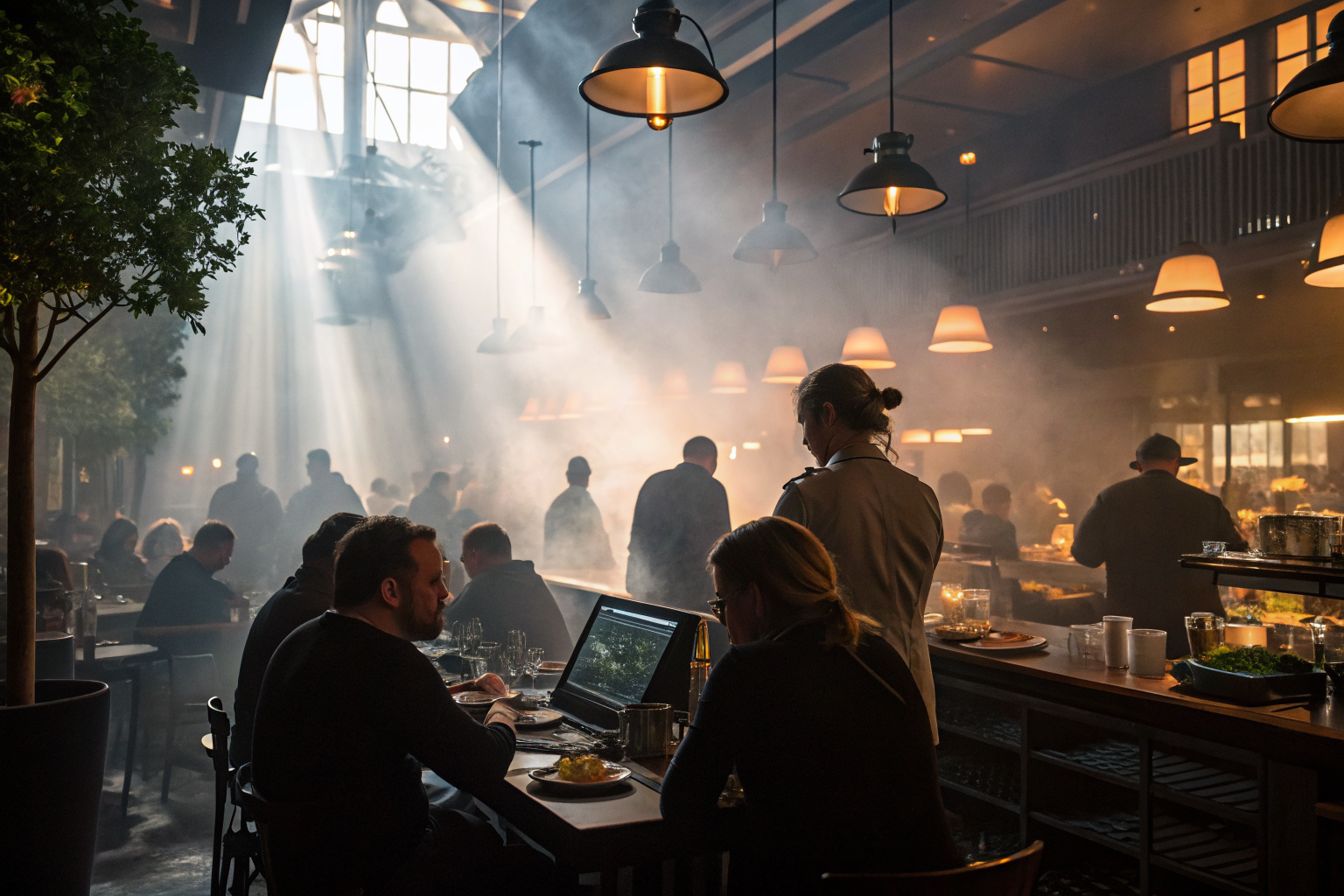
An AI receptionist for restaurants solves a problem that no other vertical faces quite this way: the phone rings hardest at the exact moment every person on your floor is already occupied. Friday night at 6pm, your kitchen is slammed, every table is full, and the phone rings twelve times. Your staff answers zero of them.
Key Takeaways:
- 85% of callers who hit a busy signal or unanswered phone do not call back, for a restaurant, each one is a lost reservation or order.
- Rush-hour call volume for a mid-size restaurant spikes 300-400% between 5pm and 8pm on weekends, exactly when staff have zero bandwidth to answer.
- An AI answering service handles hours, menu questions, and reservations around the clock for plans starting at $397/month, less than two shifts of a part-time host.
The Restaurant Phone Problem Nobody Talks About
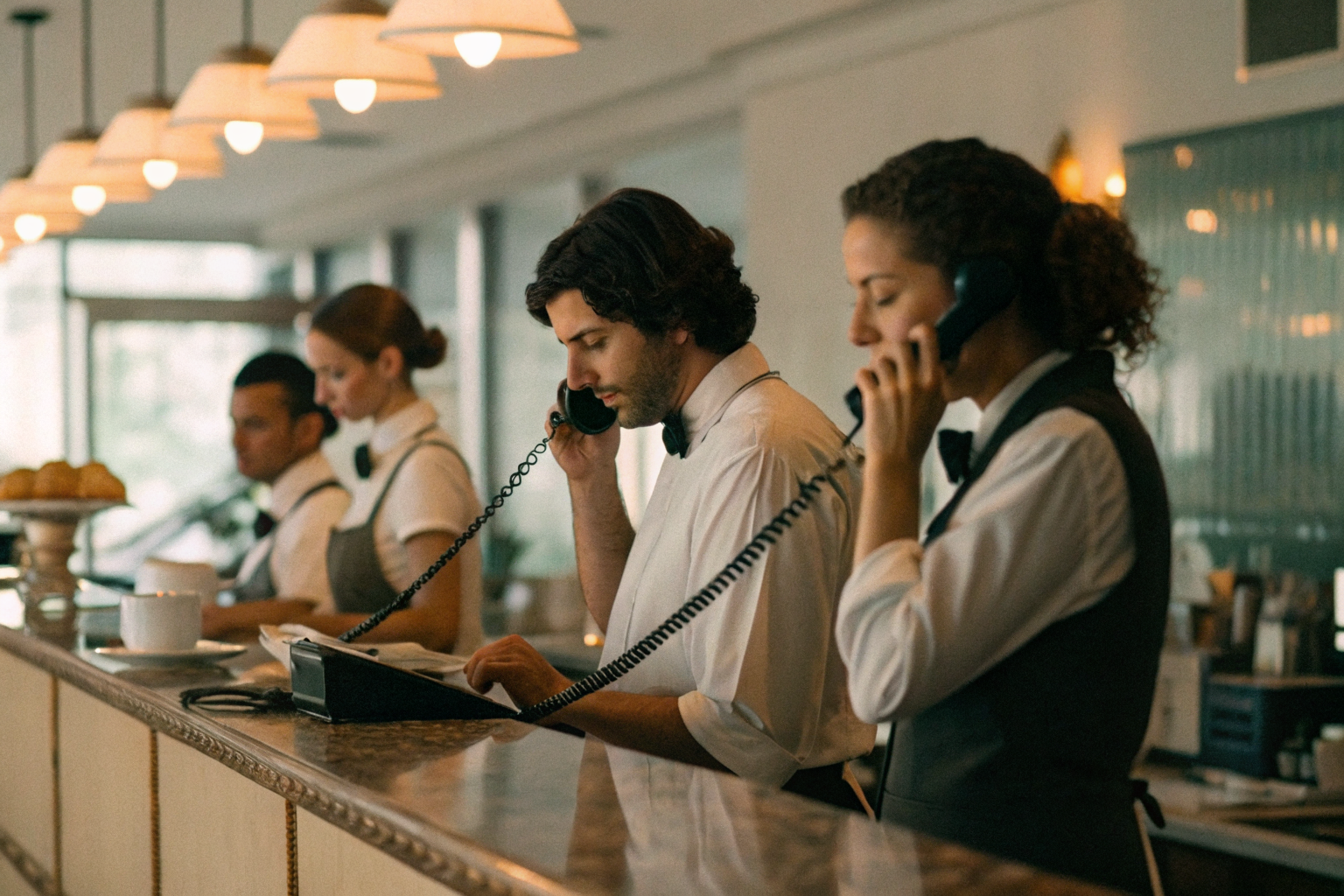
Restaurant phone overload is a front-desk operations failure with a specific cause: inbound call volume peaks at the worst possible moment. This means staff who could theoretically answer the phone during a slow Tuesday lunch are nowhere near it on a Saturday night. It is not a staffing shortage. It is a timing collision.
Other verticals have scheduling gaps, the salon with a no-show, the dental office with an empty chair at 2pm. Restaurants deal with real-time chaos. The calls do not trickle in throughout the day; they flood in from 5pm to 8pm on Fridays and Saturdays, stacking up in three categories simultaneously.
First: reservation calls. A party of four wants 7:30pm. Second: takeout and delivery order calls. A family wants two entrees and a kids’ meal. Third: FAQ calls. Someone wants to know if you have parking, whether you do gluten-free, and what time you close. All three types arrive at the same time, and your host is currently showing a party to table twelve.
The phone is not a side channel for most independent restaurants. For concepts without a dominant online ordering presence, phone orders and phone reservations represent a primary revenue path. A missed reservation call for a four-top at a restaurant averaging $120 per check is a $480 loss you can calculate. The 85% of missed callers who never call back are not statistics, they are that table, gone to the place down the street that picked up.
For a broader look at how AI handles customer service across verticals, the ai for customer service framework covers the foundational mechanics that apply here.
How Does an AI Receptionist Handle Reservations and Waitlists in Real Time?
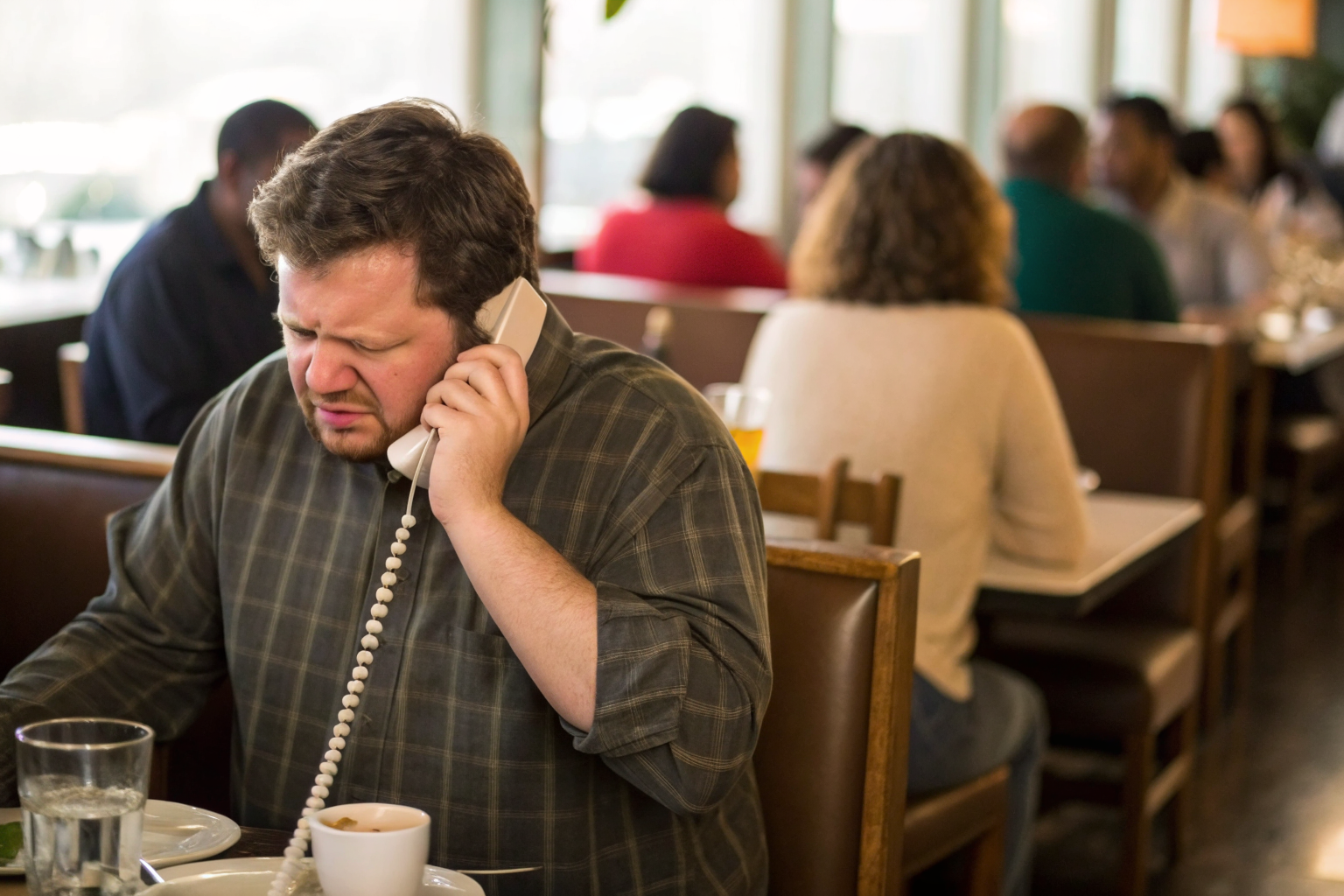
67% of customers hang up if they don’t receive immediate assistance. For a restaurant, that means a caller who hits the second ring and hears nothing is already deciding whether to try somewhere else.
A properly configured AI receptionist handles the full reservation call flow without staff involvement:
- Answer in under two rings. The AI picks up before the caller reaches a decision point, greets them with your restaurant’s name and a natural-sounding opening.
- Collect party size and time preference. The AI asks the relevant questions in order, the same way a trained host would, party size first, then date, then time.
- Check availability against your reservation system. The AI works from the rules you set: available time slots, maximum party sizes per slot, any blackout periods.
- Confirm the booking or offer alternatives. If 7:30pm Saturday is full, the AI does not dead-end the caller. It offers the next available slot, 7:00pm or 8:00pm, rather than losing them.
- Send an SMS confirmation. Once the reservation is confirmed, the caller gets a text with the details. No relying on them to write it down.
- Handle waitlist capture when needed. When a time is fully booked and no alternative works, the AI takes the caller’s name, number, and preference and adds them to the waitlist rather than ending the call with nothing.
The thing that catches restaurant operators off guard: the AI does not improvise. It works from the specific rules you load into the system. That is a feature, not a limitation. Your overbooking problem disappears when the AI cannot confirm a slot that does not exist.
For large party requests, allergy accommodation questions, or private event inquiries, the AI flags the call and routes it to a human or takes a detailed message for follow-up. The AI handles the standard volume; your team handles the exceptions.
This is the same call flow pattern that works in ai receptionist for salons contexts, the core booking logic transfers across appointment-based and reservation-based businesses, though the timing pressures in restaurants are sharper.
Phone Orders During Rush: What the AI Takes, What It Passes Off
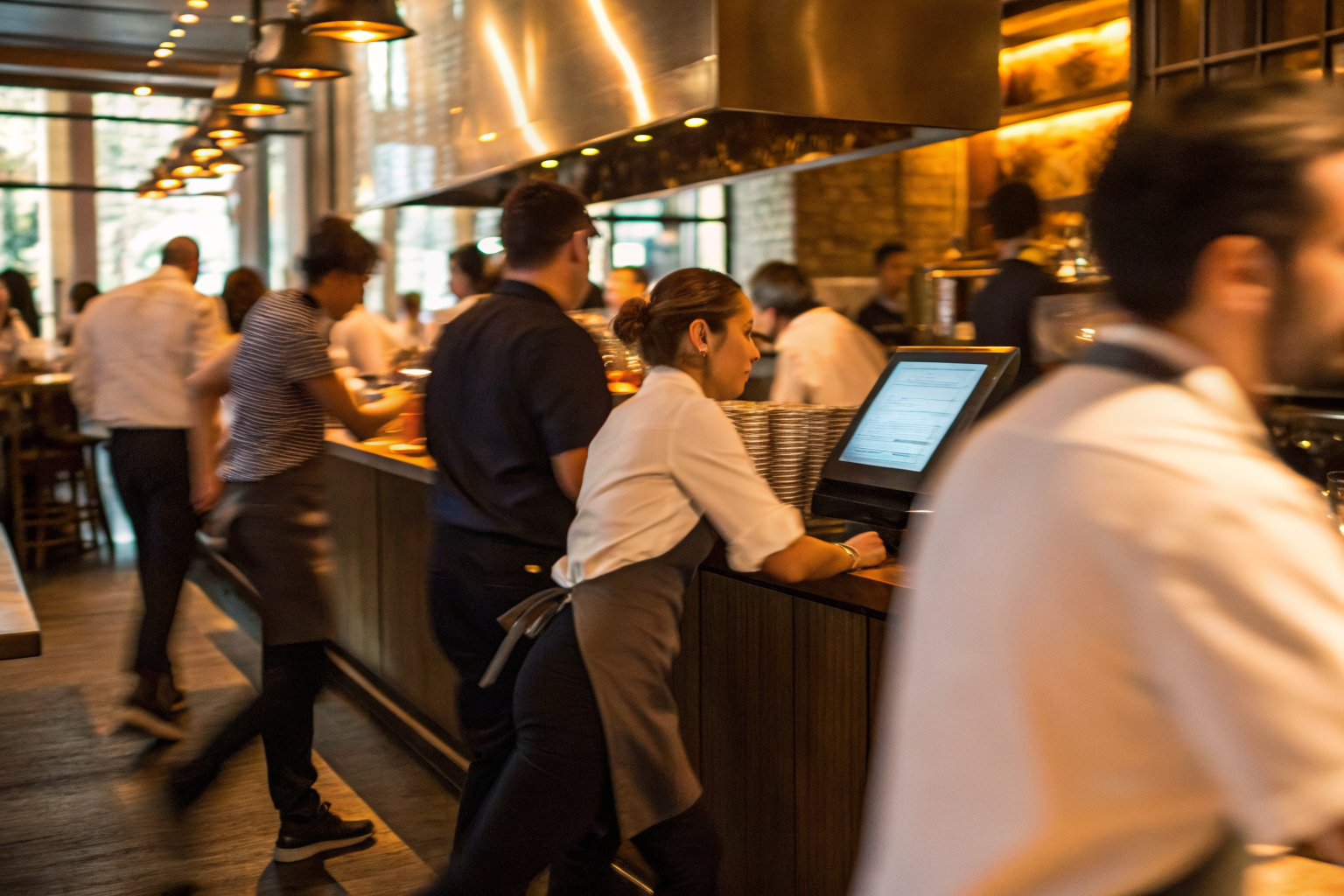
92% of customer interactions happen over the phone. During a Friday dinner rush, a significant portion of those interactions are calls your staff physically cannot get to. The AI answering service deflects FAQ and order intake calls away from occupied kitchen and floor staff, not by routing them to a queue, but by handling them outright.
The AI answers simultaneously. While one staff member could take one call, the AI takes all of them at once.
| Call Type | AI Handles | Human Needed |
|---|---|---|
| Hours, location, parking questions | Yes, fully handled from trained FAQ script | No |
| Menu questions and current specials | Yes, AI answers from menu data you provide | No |
| Simple takeout or delivery order capture | Yes, collects order details, passes structured message to staff or POS | No |
| Standard reservation requests | Yes, books or waitlists per availability rules | No |
| Complex or modified orders (multiple substitutions, allergy-critical requests) | No, AI flags and routes or takes detailed message | Yes |
| Complaints or service recovery | No, AI captures details and routes to manager | Yes |
| Large event or private dining inquiries | No, AI takes message with full contact details | Yes |
The business logic is straightforward. The goal is not to replace your team on every call. The goal is to eliminate the calls that should never require a human in the first place. On a Friday dinner rush, that category covers the majority of inbound volume. Your host stops spending 90 seconds explaining your hours to a caller they will never seat, and starts spending those 90 seconds on the guests already inside.
Operators switching from answering service to AI often find this table-level breakdown useful, the AI does not do less than a human answering service, it just draws the handoff line differently.
Hours, Menu, and FAQ Deflection: The Calls That Eat Your Staff’s Time
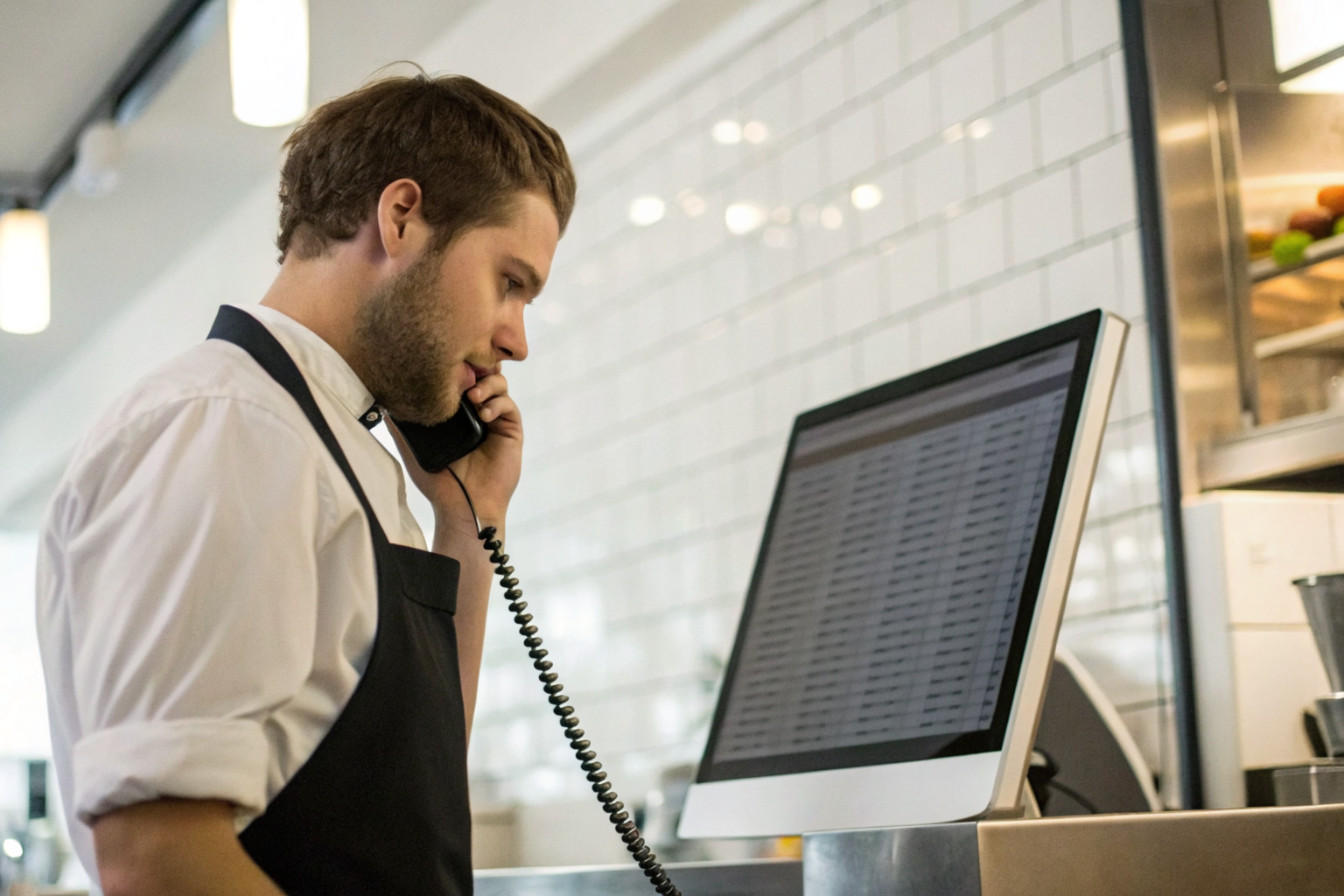
Hours and menu FAQ calls consume staff bandwidth without producing new revenue. The caller already exists; they are not a new lead. They just need information you have already published somewhere, and they called instead of looking it up.
The five call types that repeat every day at every restaurant:
- “What are your hours?” The highest-frequency inbound call type for any restaurant, by a wide margin. The AI answers this from the hours you set in the system. When your hours change for a holiday or a private event, you update them once and every caller gets the right answer from that moment forward, no staff briefing required.
- “Do you have gluten-free or vegetarian options?” Menu qualifier calls hit before the customer commits to coming in. The AI is trained on your actual menu, including current specials, common dietary categories, and any items that contain major allergens. It gives the caller a real answer.
- “Where are you located? Is there parking?” Logistics calls from first-time visitors. The AI handles these from the location and parking data you provide, directions, cross streets, parking structure details, whatever your guests typically ask.
- “Do you take walk-ins or do I need a reservation?” Policy calls that vary by night and by season. The AI reflects your current policy, and you can update it when Friday nights shift from walk-in-friendly to reservation-required as the season changes.
- “What’s the wait time right now?” Real-time status calls are the one type that genuinely requires a human answer during service, the AI can be configured to route these directly to a staff member or to give a standard response based on your peak-hour policy.
Pattern from restaurant operations reporting: FAQ and logistics calls represent roughly 40-60% of total inbound call volume at casual-dining and fast-casual concepts. If each call takes a staff member 90 seconds and a busy restaurant fields 40 of them per week, that is an hour of floor time recovered every single week. If your operation is seeing ai receptionist troubleshooting common problems after deployment, FAQ script gaps are usually the first place to check.
Does an AI Answering Service Work for Multi-Location Restaurant Groups?
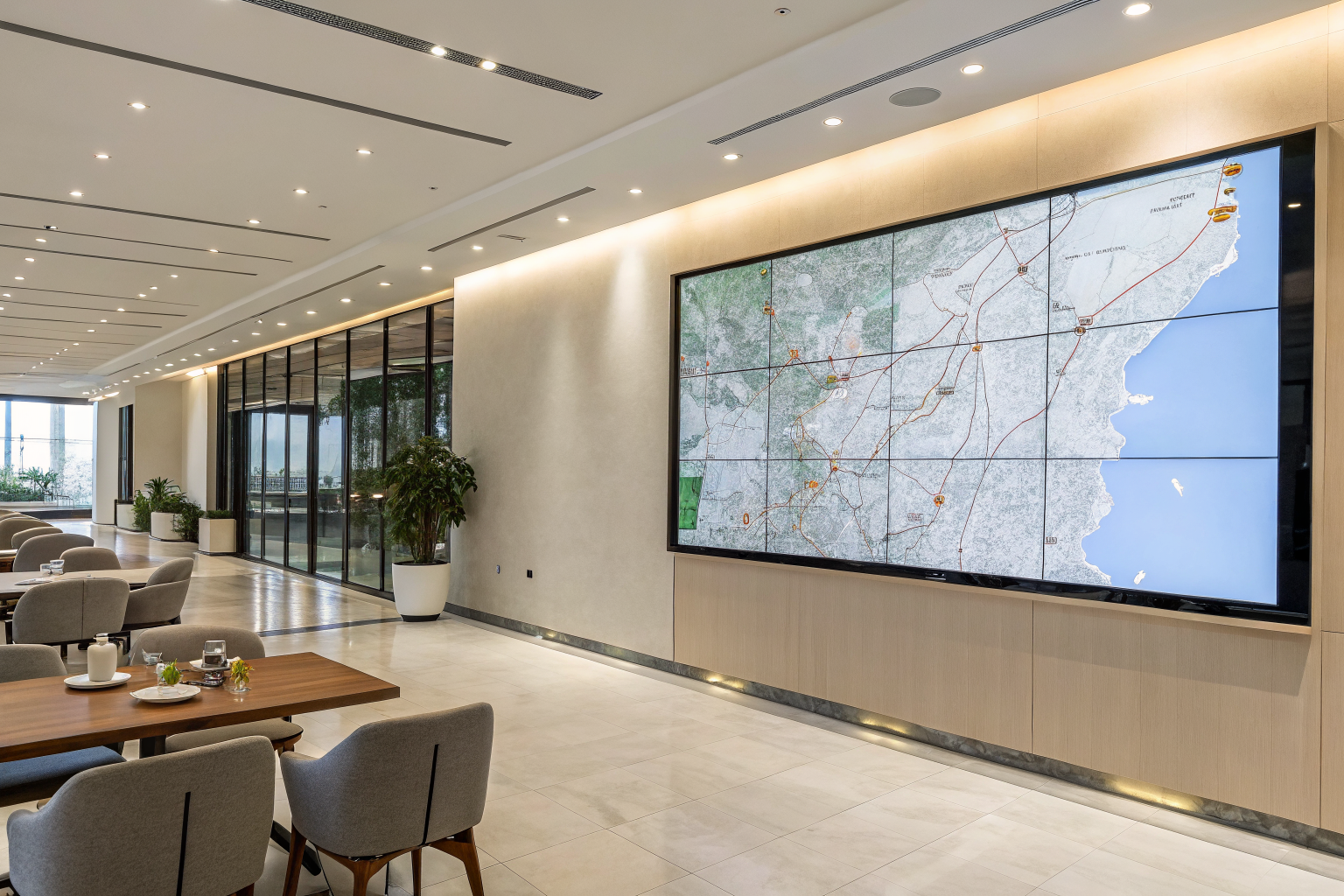
Multi-location restaurant groups face a routing problem that single-location operators do not: a caller who dials the wrong location, or a group’s main number, needs to reach the right place fast. The AI receptionist routes inbound calls to the correct location without a central operator sitting in between.
Routing works a few ways depending on how your group is set up. If a caller dials a location-specific number, the AI answers with that location’s name, hours, and reservation availability. If a caller reaches a central number, the AI asks which location they are trying to reach, or can use the number they dialed or a ZIP code prompt to identify the right one. From there, the AI either transfers the call to that location’s live line or handles it entirely using that location’s specific script.
Each location has its own data loaded: hours, menu, reservation rules, parking, specials. The AI does not give a caller generic group-level answers. When the Scottsdale location runs a different happy hour than the Tempe location, callers to each number get the right information for where they are actually going.
Pattern from multi-unit restaurant operators: call misrouting between locations is among the top five sources of customer complaints in groups with three or more units. The AI eliminates that failure mode because it cannot route a caller to the wrong location’s information if each location has its own script.
For growing groups, the scaling math works differently than it does with staff. Adding a third or fourth location does not require hiring a proportional amount of additional front-of-house staff to cover phones. The AI covers the new location from day one. Every caller at every location gets the same answer quality, which matters for brand perception when one location has experienced hosts and another just opened.
Call (888) 789-8030 to hear the technology in action before you make any decision. This applies whether you run one location or ten.
The same multi-location logic applies in field-service businesses like pool service operations, the ai receptionist for pool service context has useful parallels for operators thinking about routing across service zones.
What Does It Actually Cost, and Is It Worth It for a Restaurant?
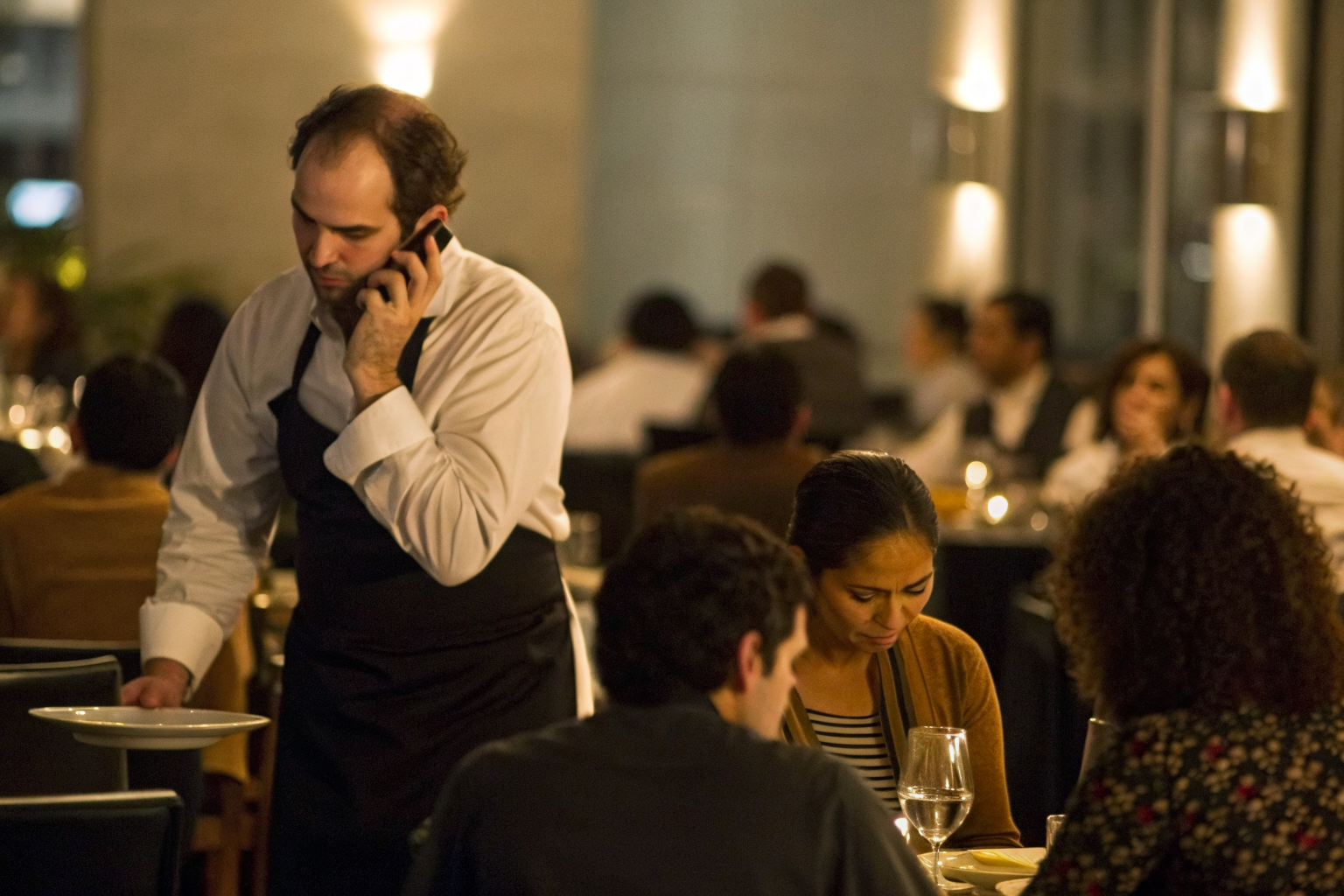
A part-time host in Phoenix earns $14-17 per hour, based on current BLS and local market data. Two Friday and Saturday dinner shifts runs roughly 10 hours, putting the labor cost at $140-170 before taxes. That host still cannot answer the phone while seating a table, and they are not there Sunday through Thursday.
An AI receptionist covers every call, every channel, every night of the week for plans starting at $397/month. The break-even math in reservation terms: if the AI recovers two four-top reservations per week at a $120 check average, that is $960 in recovered revenue against a $397 monthly cost. The AI pays for itself in the first two weeks of the month on two tables.
The AI does not replace the host. It eliminates the calls that should never require a human, so the host can focus on the guests standing at the host stand. That is the actual value exchange: you are not buying a replacement employee, you are buying back the attention your current staff loses to the phone during peak service.
For context on how these costs compare to traditional answering services, live answering service pricing models run considerably higher per month for full coverage, and human operators cannot answer multiple calls simultaneously the way the AI can.
The 14-day trial removes the risk from the decision. See current plans at sledgehammerintelligence.com/pricing. Call (888) 789-8030 first, hear what your callers would hear before you spend anything.
Frequently Asked Questions
Can an AI answering service take phone orders for a restaurant?
An AI answering service can collect takeout and delivery order details during the call and pass a structured message to your staff or POS system. Standard orders with no modifications get handled without anyone on your team picking up the phone. Complex orders with multiple substitutions or allergy-critical requests get flagged and routed to a human, the AI draws that line based on the rules you set.
Will an AI phone system actually handle reservation calls the right way?
A properly configured AI receptionist collects party size, date, and time preference, checks against your availability rules, confirms or offers alternatives, and sends the caller an SMS confirmation. It works from the specific rules you load in, so it cannot overbook a slot or promise something your policy does not allow. If a caller has a request outside those rules, the AI takes a detailed message and flags it for your team to follow up.
What happens if a caller asks something the AI doesn’t know?
The AI is trained on what you provide: your menu, hours, reservation policy, and FAQ answers. When a caller asks something outside that training, the AI tells them someone will follow up and captures their contact information rather than guessing. You control the fallback: route to a live number, take a message, or trigger an SMS follow-up. The AI does not improvise, and that is the point.