
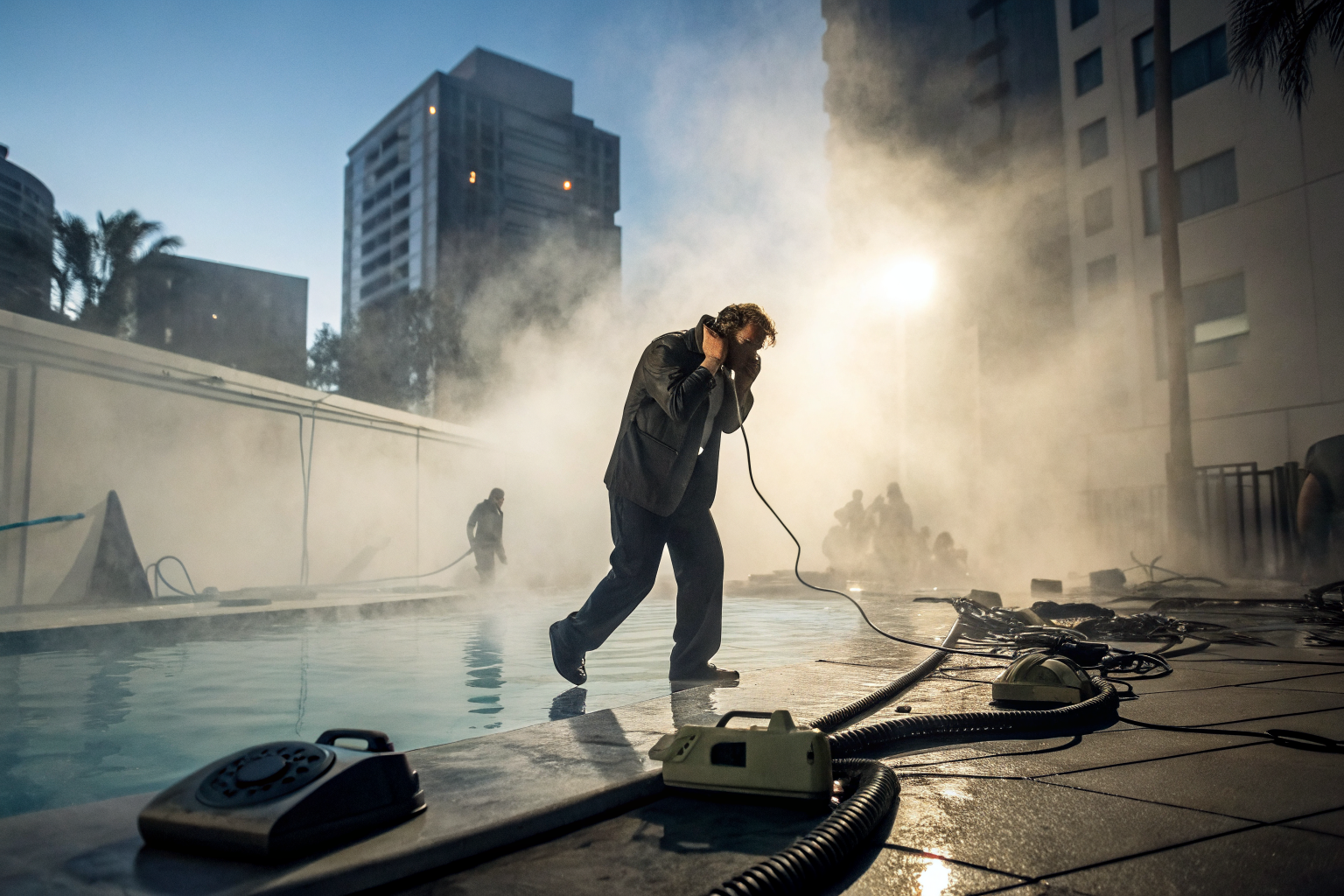
An AI receptionist for pool service solves the problem no answering service has ever solved: you’re in a pool equipment bay or running a vacuum across the bottom of a backyard pool, the phone rings, and there is nobody to pick it up. Not a distracted front desk. Nobody. Three calls, three potential weekly contracts, gone.
Key Takeaways:
- 85% of missed calls never call back, and pool service owners miss calls on every single route day because they’re physically in a pool, not near a phone.
- Phoenix has more than 300,000 residential pools, the highest concentration of any US city, seasonal surges in June and after monsoon events create call spikes no single owner-operator can handle alone.
- An AI receptionist answers every inbound call, captures the service address, qualifies the job type, and slots it onto the right route day, plans start at $397/month, a fraction of what one lost weekly service contract costs per year.
The Owner-on-a-Truck Problem: Why Pool Service Misses More Calls Than Almost Any Other Trade

The owner-on-a-truck problem is the structural gap where a field-service business owner serves as both the technician and the only person who could answer the phone, making simultaneous call coverage physically impossible. This means every hour you spend on route is an hour where inbound calls go unanswered, and those callers do not wait for you. They call the next guy on Google.
Pool service has this problem worse than most trades. An HVAC tech can pull over between jobs. A plumber finishing a repair can step outside and return a call. A pool service operator running a 25-stop weekly route is in the water, running equipment, or driving between properties for six straight hours. There is no natural gap. There is no office. There is no front desk getting distracted, there is no desk at all.
The callers who hit voicemail do not leave messages. They hang up. The site-bank research on this is blunt: 85% of missed calls never call back. That caller dialed you first, got nothing, and moved to the next result. You did not lose a one-time clean. You lost a weekly service contract that would have renewed automatically every month.
The root revenue problem for most pool service companies is not their pricing. It is not their marketing. It is call capture. Owners who fix their pricing and run ads without fixing the phone gap are paying to generate leads they then lose on the first ring. Pool service call capture is the unglamorous prerequisite that makes everything else work. Fixing it with an AI receptionist built for field-service businesses costs a fraction of what a single lost weekly contract is worth over a season.
This is also distinct from the challenge an AI receptionist for salons solves, where a front desk exists but gets pulled away from the phone. Pool operators are starting from zero, with no human coverage at all during route hours.
Phoenix Pool Density and Seasonal Surges: When the Call Volume Actually Hits
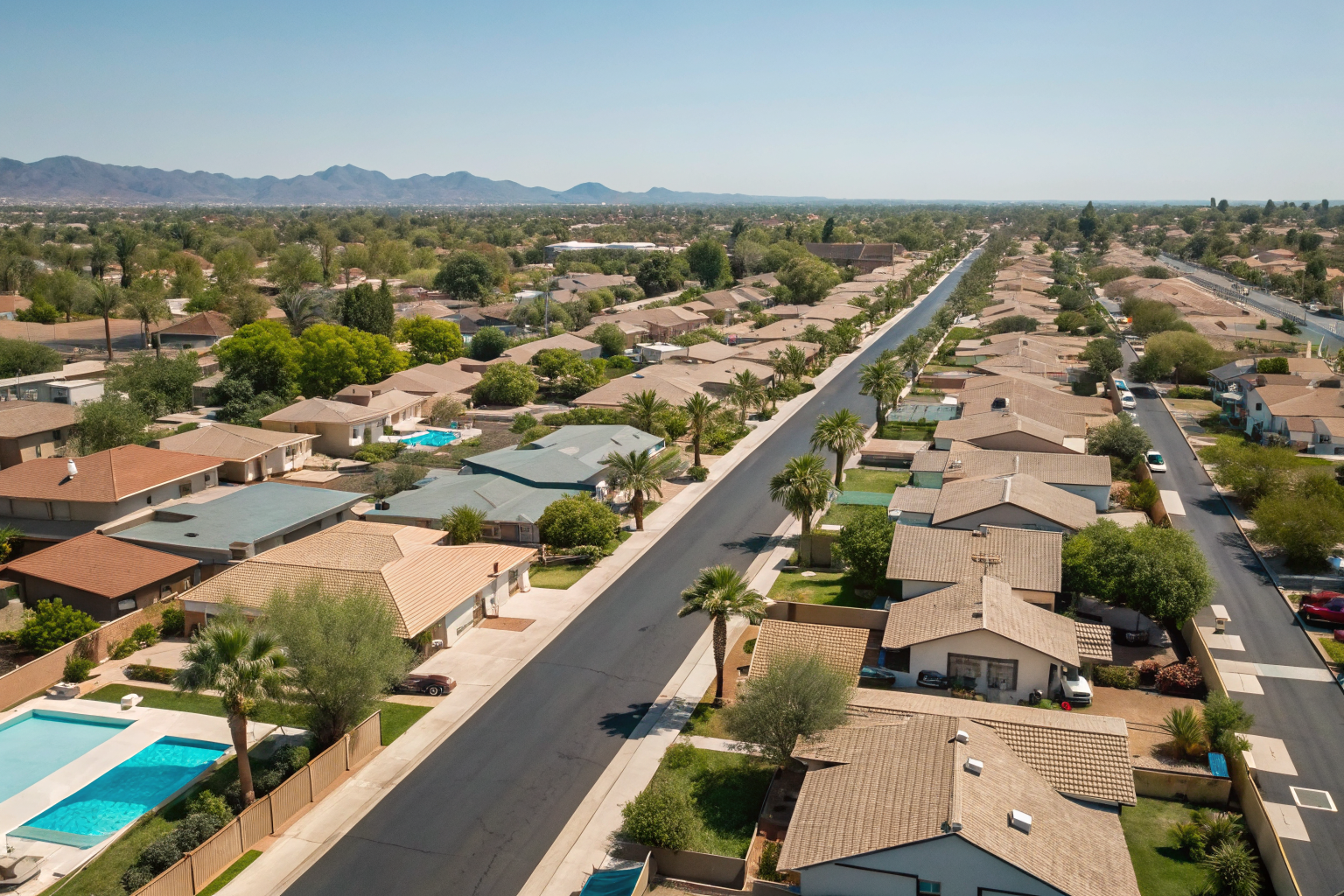
Phoenix pool density drives call surges at four distinct points in the calendar year, and each surge has a different call type, a different urgency level, and a different consequence for missing it. Phoenix has the highest residential pool concentration of any US city, with estimates placing the total above 300,000 residential pools across Maricopa County. That density means every pool service operator in the Valley competes for the same callers during the same windows.
Understanding ai for customer service at the trade level means understanding that pool service is not a year-round steady-state business. It spikes hard, then drops, then spikes again. An answering solution that handles average call volume misses the point. You need coverage that scales to the peaks without you hiring a receptionist for two months and laying her off in November.
Here is when the calls hit and what callers are asking for:
| Surge Window | Dates | Primary Call Type | Urgency Level |
|---|---|---|---|
| Season-Opening Rush | Late April – Memorial Day | New weekly service sign-ups, first-time cleans after winter | Medium, callers are planning, not panicking |
| Peak Heat Algae Season | June – August | Algae treatment, chemical balancing, equipment failures | High, pool is unusable, family pressure |
| Monsoon Emergency Window | July – September | Green-pool emergencies after storm debris and runoff | Critical, same-day or next-morning response expected |
| Snowbird Return | October – November | Pool reopenings, equipment checks, resuming weekly service | Medium, callers returning after absence, easy conversions |
The monsoon window is the most dangerous for missed calls. A storm rolls through Chandler on a Tuesday night. By Wednesday morning, a dozen homeowners are looking at green water and calling every pool company they can find. The first one that picks up gets the job. The ones that go to voicemail do not get a second chance. An AI receptionist built for field-service businesses answers those Wednesday morning calls while the owner is already three stops into the route.
How Does an AI Receptionist Handle Route-Day Scheduling for Pool Service?
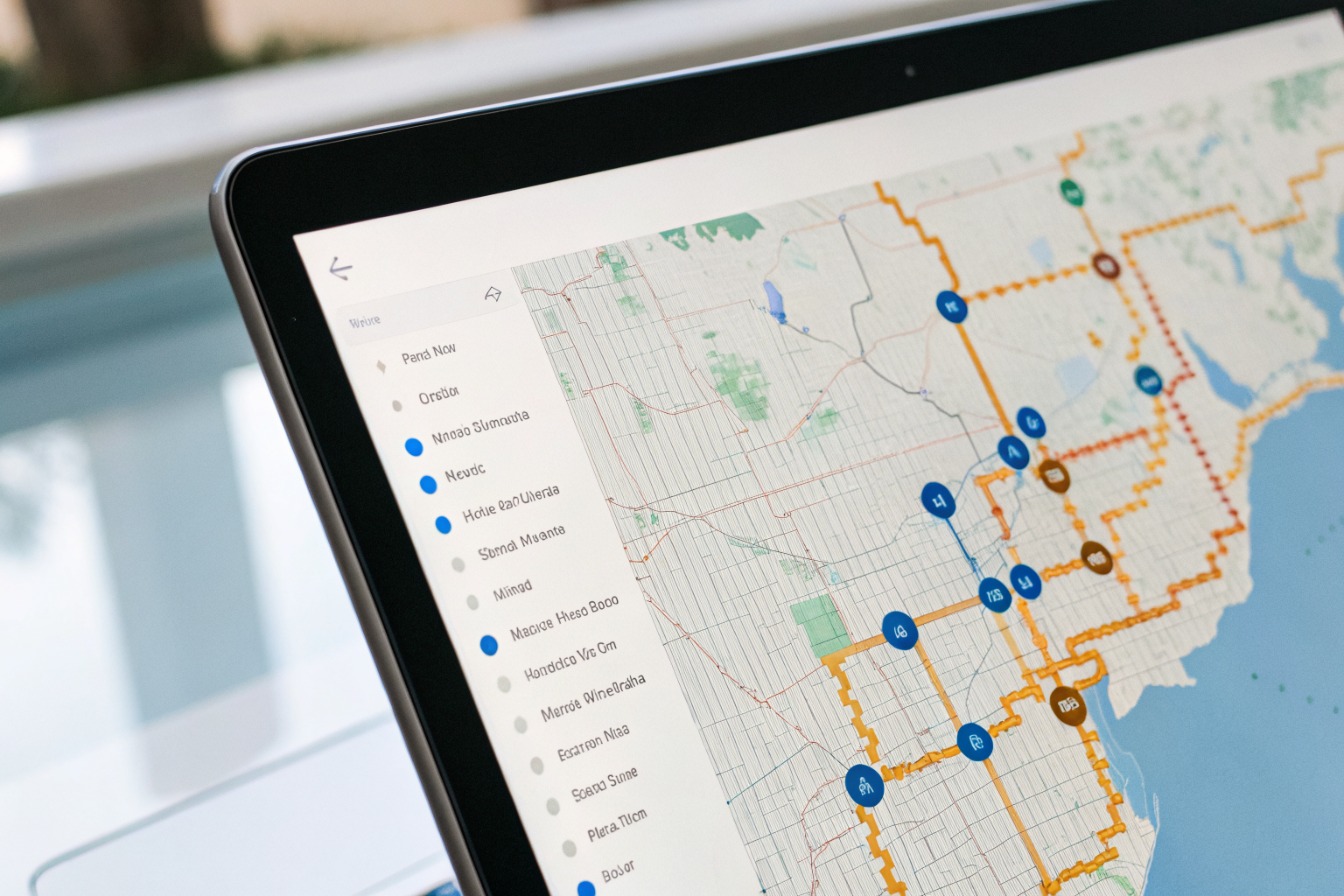
Pool service scheduling is not time-slot based the way a salon appointment or a dental visit works. Routes are geographic clusters. Tuesday is Gilbert. Thursday is Chandler. Adding an out-of-zone job to a route costs real drive time and cuts into the day’s profitability. The AI receptionist captures this logic at the call, not after the owner calls back and realizes the new customer is 14 miles off the route.
Here is the exact call flow:
- A call comes in while the owner is on route, equipment running, phone in the truck.
- The AI answers on the first ring, 24 hours a day, seven days a week, with no hold music and no voicemail prompt.
- The AI asks for the caller’s name, address, and what they need: new weekly service, one-time clean, green pool, equipment issue.
- The AI qualifies by service zone. Is this address on a route the company covers? Does it fall in the Tuesday Gilbert cluster or the Thursday Chandler run?
- The AI books the appointment into the correct route day based on geography, or flags the call for owner follow-up if it is an emergency, an out-of-zone request, or a job that needs a custom quote.
- The owner gets a summary notification: new customer, address, job type, booked route day, or priority alert if the call was flagged.
The thing that catches people off guard here is step 4. Most generic booking tools just pick the next available time slot. Pool service does not work that way. A Thursday slot for a Gilbert address is wrong. The AI, set up with the owner’s zone logic, filters this at capture. You end the route day with jobs that fit your schedule, not callbacks you have to sort through.
This is a meaningfully different workflow from what the AI receptionist for restaurants article covers, where the scheduling challenge is table turns and reservation windows. Route-day logic and geographic clustering are specific to field-service businesses, and the setup reflects that.
Green-Pool Emergencies and After-Hours Calls: What the AI Handles vs. What It Escalates
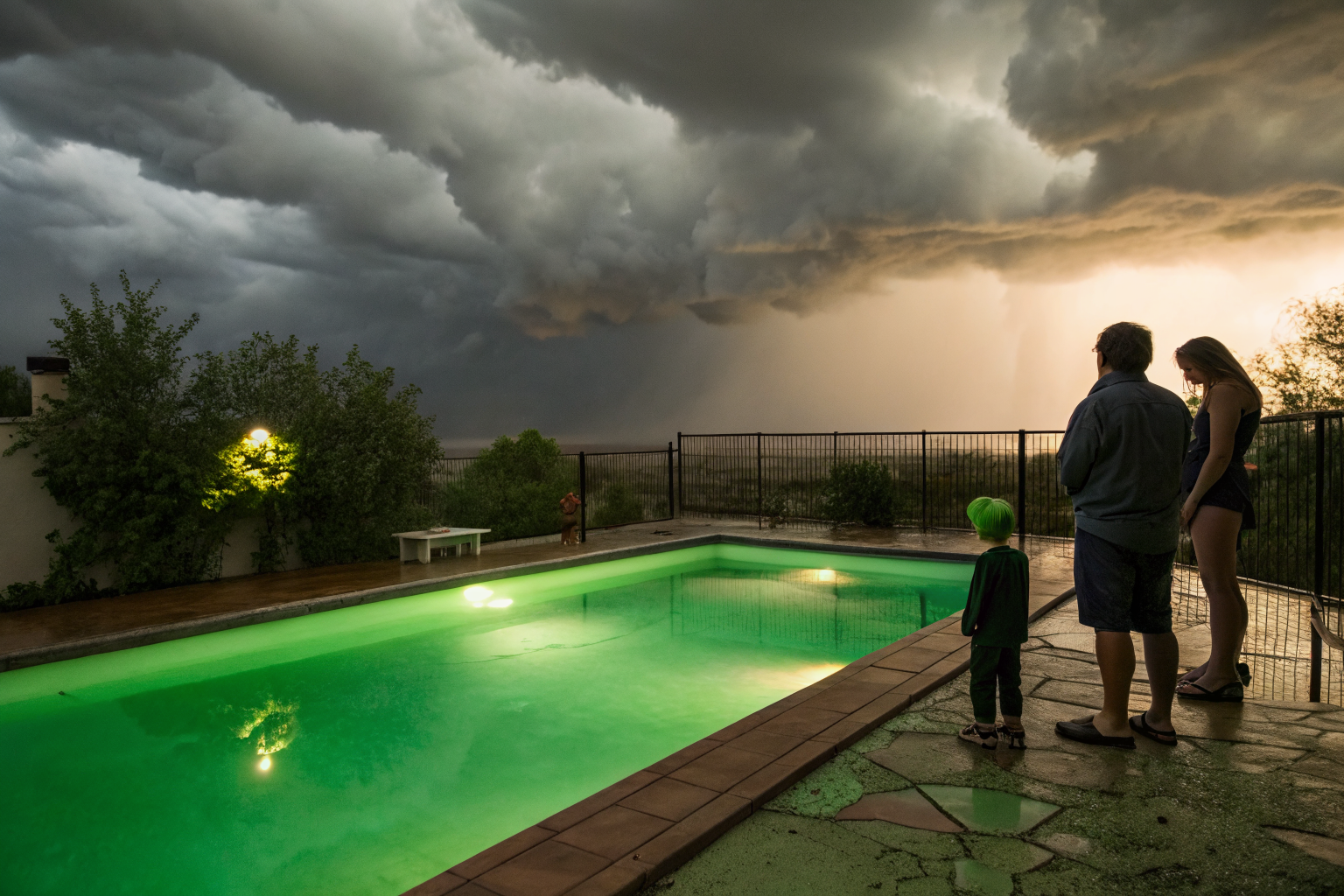
A green pool after a monsoon storm is not a scheduling call. It is a same-day or next-morning emergency, and the caller knows it. Kids cannot use the pool. Company is coming Friday. The water turned overnight. These callers have zero patience for voicemail, and the research backs that up: 67% of customers hang up if they don’t receive immediate assistance. For emergency pool calls, that number probably skews higher, because the caller is already stressed and has three more companies to try.
The AI identifies emergency language in the conversation. Phrases like “turned green overnight,” “can’t see the bottom,” or “kids can’t swim” trigger a different response path than a routine inquiry about weekly pricing. Instead of booking a standard route-day appointment, the AI captures the address and contact details and sends the owner a priority SMS alert. The owner sees it between stops, decides whether to add an emergency visit that day or schedule for the next morning, and responds directly to the caller.
Be clear about what the AI does not do: it does not dispatch trucks. It does not make real-time route decisions. It captures and notifies. That is the job, and it is the right job. The owner makes the call on whether to take the emergency. The AI makes sure the owner knows the emergency exists, with the caller’s full details in hand, instead of finding out about it via a voicemail at 6pm.
After-hours calls follow the same logic. A homeowner notices a problem at 9pm on a Sunday. Pool is cloudy. Pump is making noise. Under the old model, that call hits voicemail and the owner checks messages on Monday morning, by which time the caller has already hired someone else. After-hours emergency calls spike hardest in July and August, when algae blooms fastest in Phoenix heat. With an AI receptionist covering those hours, the owner wakes up Monday to a booked job instead of a missed opportunity.
The r/sales objection about callers hanging up when they realize the receptionist is an AI is worth addressing directly. For pool service callers, especially during a surge or emergency, the priority is getting booked fast. They called because they have a problem. An AI that answers immediately, asks the right questions, and confirms a booking wins every time against a voicemail box that offers nothing. If you want to hear exactly how it sounds before you commit, call (888) 789-8030 and have the conversation yourself.
If you run into edge cases during setup, the troubleshooting guides for AI receptionist common problems cover the configuration issues that catch most operators in the first 30 days.
AI Receptionist vs. Answering Service for Pool Companies: Which One Actually Makes Sense?

Human answering services take messages. That is what they do well. A live operator picks up, gets the caller’s name and number, and sends you a text that says “John S. called about pool service, wants a callback.” That is it. You still have to call John back, figure out his address, decide which route day works, and manually book it. You paid for message-taking. You did the booking yourself, after hours, on your phone.
For pool service, where route logic matters and surge months generate dozens of calls a week, message-taking is not enough. The comparison is not close.
| Feature | AI Receptionist | Traditional Answering Service |
|---|---|---|
| Monthly cost | Plans start at $397/month | Typically $250–$500+/month for basic message-taking |
| Hours of coverage | 24/7, every day | 24/7 available, but per-minute billing increases with volume |
| Books the appointment directly | Yes | No, takes a message, you call back |
| Understands route-day logic | Yes, once set up with your zones | No, operators have no knowledge of your schedule |
| Handles green-pool emergency triage | Yes, flags priority calls via SMS | No, treats all calls the same |
| Learns your service zones and pricing | Yes | No |
| Scales during surge months without extra cost | Yes, flat monthly rate | No, surge volume increases per-minute costs |
Phoenix receptionist wages run $30,000 to $42,000 per year. Hiring a part-time office person to handle calls during route hours is a real option, but it comes with payroll, training, turnover, and the fact that they work 20 hours a week while your phone rings at 9pm on a Sunday.
For operators thinking about switching from an answering service to AI, the math tends to close fast once you factor in booking completion rates and surge-month scaling.
AI receptionist coverage for HVAC companies runs into similar route-day logic problems during summer AC season, which is worth knowing if you operate in both trades or are evaluating the category broadly. TCPA compliance for AI calls is also a real consideration when setting up automated call and text flows, the rules on consent and disclosure matter before you go live.
Frequently Asked Questions
What is the best answering service for a pool service company?
An AI receptionist built for field-service businesses outperforms a traditional answering service for pool companies because it does more than take a message. It captures the caller’s address, qualifies the job type, and books the appointment directly into your schedule. Traditional answering services hand you a message slip; an AI receptionist hands you a booked job. For Phoenix pool operators handling monsoon-season surges and after-hours emergency calls, the difference shows up in recovered revenue, not just convenience.
Can an AI receptionist handle calls for a one-person pool service operation?
A solo operator is the clearest use case. When you are the owner and the only technician on the route, you cannot answer the phone while servicing a pool. An AI receptionist answers every call on the first ring, captures the service address and job details, and books the appointment or sends a priority alert for emergencies. You end the route day with booked jobs in your calendar instead of a stack of voicemails requiring callbacks that cut into your evening.
Does a pool service answering service work for emergency calls like green pools?
An AI receptionist handles emergency calls by identifying urgency signals in the conversation, such as “turned green overnight” or “can’t use the pool,” and flagging those calls for immediate owner notification rather than standard scheduling. The AI captures the address and contact details and sends an SMS alert so the owner can respond same-day. It does not dispatch trucks on its own, but it guarantees no emergency call disappears into voicemail.